Table of contents
Across Europe and North America, industrial plants are modernising without the fanfare that usually accompanies big capital projects, and the shift is increasingly visible in procurement data, where maintenance budgets are being redirected toward targeted equipment upgrades rather than full-line replacements. The logic is brutally practical: energy volatility, tighter safety expectations, and mounting downtime costs are pushing operators to extend asset life while improving performance. Behind the scenes, these “small” changes are quietly reshaping how factories run, and what they will look like in five years.
Downtime is pricier than the machine
How much is an hour worth? In many plants, the answer has climbed fast enough to change decision-making at board level, because even modest stoppages can ripple through supply chains, penalties, and customer contracts. Analysts have long tried to quantify the price of unplanned downtime, and estimates vary by sector, but the direction is consistent: it is rising. Siemens has cited figures indicating that unplanned downtime costs manufacturers around 11% of annual turnover on average, a headline number that has become a reference point in discussions about reliability investments. In parallel, the International Society of Automation has estimated that downtime can cost industrial manufacturers up to $647 billion annually, underscoring the scale of the problem rather than any single plant’s balance sheet.
That financial pressure changes the nature of “upgrade” projects, which increasingly focus on components that sit at the intersection of reliability, safety, and cycle-time performance: motor control, panel retrofits, sensorisation, and the electromechanical assemblies that translate commands into movement. Modernising those elements can be less disruptive than replacing entire lines, and it can be scheduled into planned shutdowns, while still capturing measurable gains in availability. For maintenance teams, the story is equally concrete: fewer emergency call-outs, shorter fault-finding, and a better chance of diagnosing failures before they cascade. As plants weigh these trade-offs, procurement is shifting toward suppliers who can deliver robust assemblies, tight tolerances, documentation, and lead times that fit the plant’s service windows; in that context, partners such as Industrial electromechanical equipments manufacturer Aventech are part of a broader trend in which electromechanical reliability becomes a strategic lever rather than a back-office detail.
Energy bills turn upgrades into strategy
Energy no longer feels like a background cost. After the shock of 2022, executives began treating electricity and gas prices as strategic variables, and even where spot markets have eased, the memory of volatility has remained in operating plans. The International Energy Agency has repeatedly stressed that industry sits at the heart of the energy transition, and that efficiency improvements are among the fastest, most cost-effective ways to cut consumption while protecting competitiveness. In many countries, regulators and grid constraints are also pushing sites to manage peak loads, and this has made attention to motors, drives, and power distribution more than an engineering preference; it is a financial imperative.
In practice, plants are hunting for energy wins in places that used to be considered “already optimised”, and upgrades are often designed to reduce losses, smooth start-up peaks, and keep equipment operating in its most efficient range. Variable speed drives, better power factor correction, and modern control cabinets can deliver savings, but only if the electromechanical chain is coherent, correctly sized, and integrated with the realities of the process. The most expensive inefficiencies are rarely dramatic; they are small mismatches repeated thousands of times per day, and they tend to hide inside cabinets and enclosures, where heat, vibration, and dust degrade performance over time. That is why more operators are tying energy objectives to maintenance actions, for example by combining refurbishments with instrumentation, or by setting energy KPIs for critical assets, and it is why upgrades that once sat in the “nice-to-have” column are increasingly funded as part of resilience planning.
Safety rules are rewriting plant checklists
Compliance is not optional, and the regulatory bar is moving. In Europe, the transition from the long-standing Machinery Directive to the new Machinery Regulation (EU) 2023/1230, which will apply from January 2027, is already prompting manufacturers and operators to review risk assessments, documentation practices, and the safety of control systems. Even for plants outside the EU, multinational supply chains and corporate standards often impose similar expectations, because product liability and worker safety governance do not stop at borders. The effect is visible on shop floors: safety is increasingly treated as a living system that has to be maintained, audited, and improved as equipment ages.
Equipment upgrades become the practical way to close gaps without rebuilding entire lines, especially where legacy installations were designed to older norms, or where modifications have accumulated over years of incremental changes. Modern control panels, safer interlocking, clearer diagnostics, and more robust electromechanical assemblies can reduce exposure to hazards, but they also require disciplined engineering: clear drawings, traceable components, and testing that aligns with the plant’s risk profile. In many industries, insurers and auditors now expect that kind of rigour, and they increasingly ask for evidence, not assurances, which elevates the importance of suppliers who can provide documentation and repeatable quality. For operators, the decision is rarely framed as “upgrade or not”, but rather as “upgrade now, or face a forced shutdown later”, because non-compliance discovered during an inspection is the most expensive form of downtime, and the most damaging for reputation.
Digital maintenance needs solid hardware
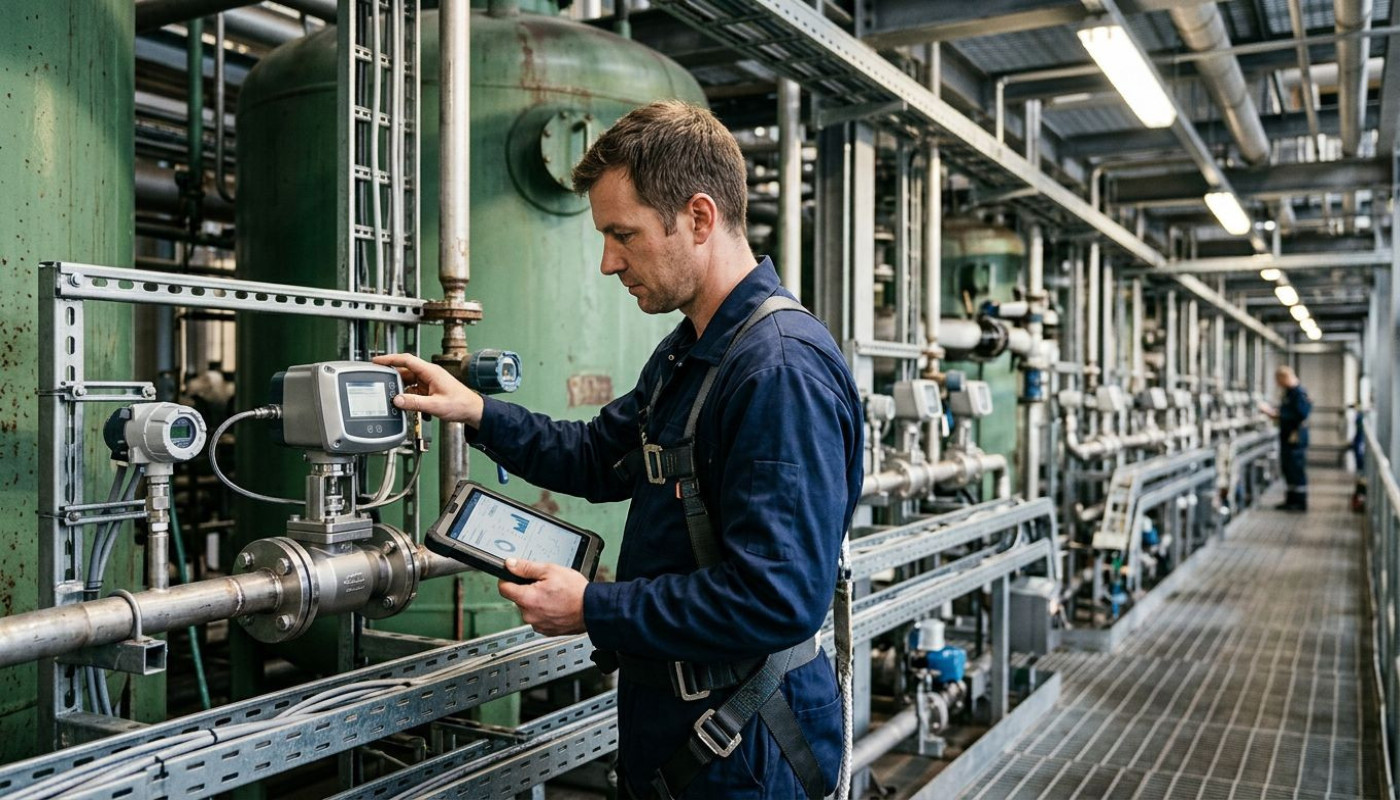
Everyone wants predictive maintenance. The promise is seductive: fewer breakdowns, better planning, and a maintenance department that stops firefighting, yet the reality is that analytics can only be as good as the signals they receive, and the signals depend on the physical layer. Over the past decade, plants have invested in sensors, historians, and condition monitoring, and McKinsey has argued that predictive maintenance can reduce maintenance costs by 10% to 40% and cut unplanned downtime by up to 50%, figures that continue to circulate because they match what many operators see when deployments are well executed. But successful projects tend to share a less glamorous common factor: the base equipment is stable, and the electromechanical infrastructure is designed to make data trustworthy.
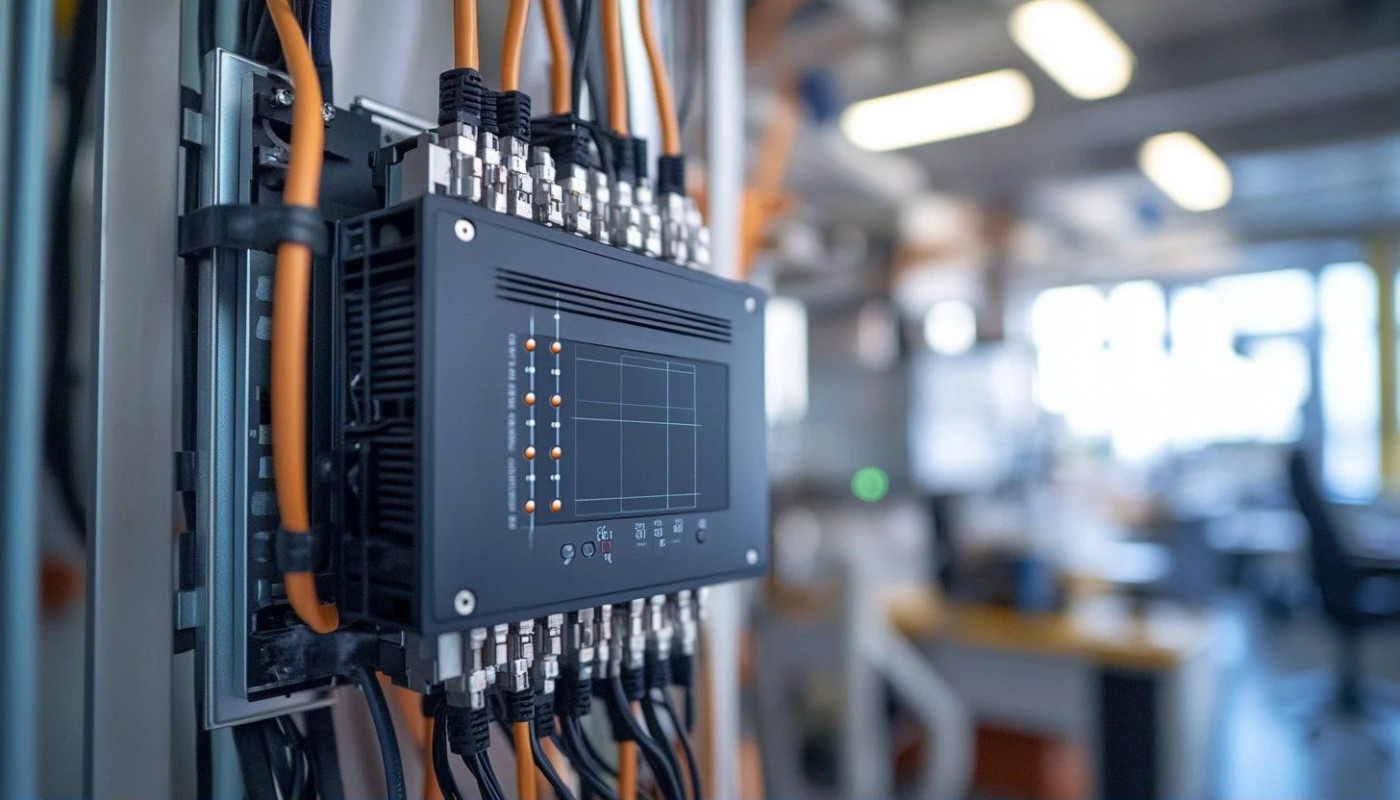
This is where upgrades quietly shape the future of plants, because the move toward data-driven operations often starts with replacing noisy, inconsistent, or poorly documented assemblies that create false alarms and blind spots. A sensor can detect vibration, but if mounting is suboptimal or the motor control hardware introduces irregular behaviour, the algorithm will chase ghosts. Conversely, when cabinets are modernised, wiring is rationalised, and components are specified with diagnostics in mind, maintenance teams can move from reactive intervention to planned action, and they can justify it with evidence. The result is cultural as much as technical: operators begin to trust the system, planners can schedule work with confidence, and managers can see reliability as a controllable metric. In that sense, equipment upgrades are not merely about replacing what is worn; they are about creating the conditions for digital tools to deliver, and about ensuring the plant’s physical backbone is ready for the next decade of automation, reporting requirements, and competitive pressure.
Planning the next shutdown, not the next crisis
Budgeting for upgrades works best when it is tied to planned outages, and when plants map critical assets to clear risk and return metrics. Start with a site audit, then prioritise bottlenecks, energy-heavy drives, and safety-critical systems, and build a phased plan that fits maintenance windows. Many countries offer efficiency incentives or grants; check local programmes early, because paperwork and eligibility rules can shape timelines.
Similar articles