Table of contents
In today’s hyper-connected world, the demand for seamless communication is greater than ever before. Next-generation signal boosters are revolutionizing the way devices interact and stay connected, eliminating dropped calls and slow internet speeds. Explore the groundbreaking advancements in signal amplification technology and see how they are shaping the future of connectivity, making it more robust, reliable, and accessible for everyone.
The evolution of signal boosters
Signal booster history dates back to the earliest days of wireless communication, when analog systems emerged to combat signal loss and improve network amplification for radio transmissions. These primitive boosters provided only rudimentary improvements and lacked sophisticated features such as gain control, which would later become a cornerstone of the technology. As wireless communication gained widespread adoption, the transition from analog to digital platforms marked a pivotal moment in connectivity evolution. This transition enabled engineers to design boosters that could not only amplify weak signals but also filter out interference, resulting in clearer calls and faster data speeds.
Throughout this journey, several milestones have shaped the landscape of signal boosters. Early analog devices, with their limited frequency range and basic amplification, were soon outpaced by digital signal boosters that could dynamically adjust gain control to suit varying network conditions. The integration of intelligent microprocessors and real-time monitoring further propelled the advancement of network amplification, allowing devices to avoid signal oscillation and ensure compliance with regulatory standards. The arrival of multi-band operation expanded compatibility across different wireless networks, a development that has proven particularly valuable as mobile data demands continue to rise.
What distinguishes next-gen signal boosters from their predecessors is their adaptive technology and seamless integration with modern mobile networks. The latest solutions use advanced digital signal processing, automated gain control, and smart filtering to optimize connectivity, even in challenging urban or remote environments. Brands at the forefront, such as uctel.co.uk, offer state-of-the-art products that address diverse connectivity needs for both consumers and enterprises, as highlighted in their comprehensive review of the best mobile signal boosters in the UK. These innovative systems represent the next phase in the ongoing evolution of wireless communication.
How next-gen boosters work
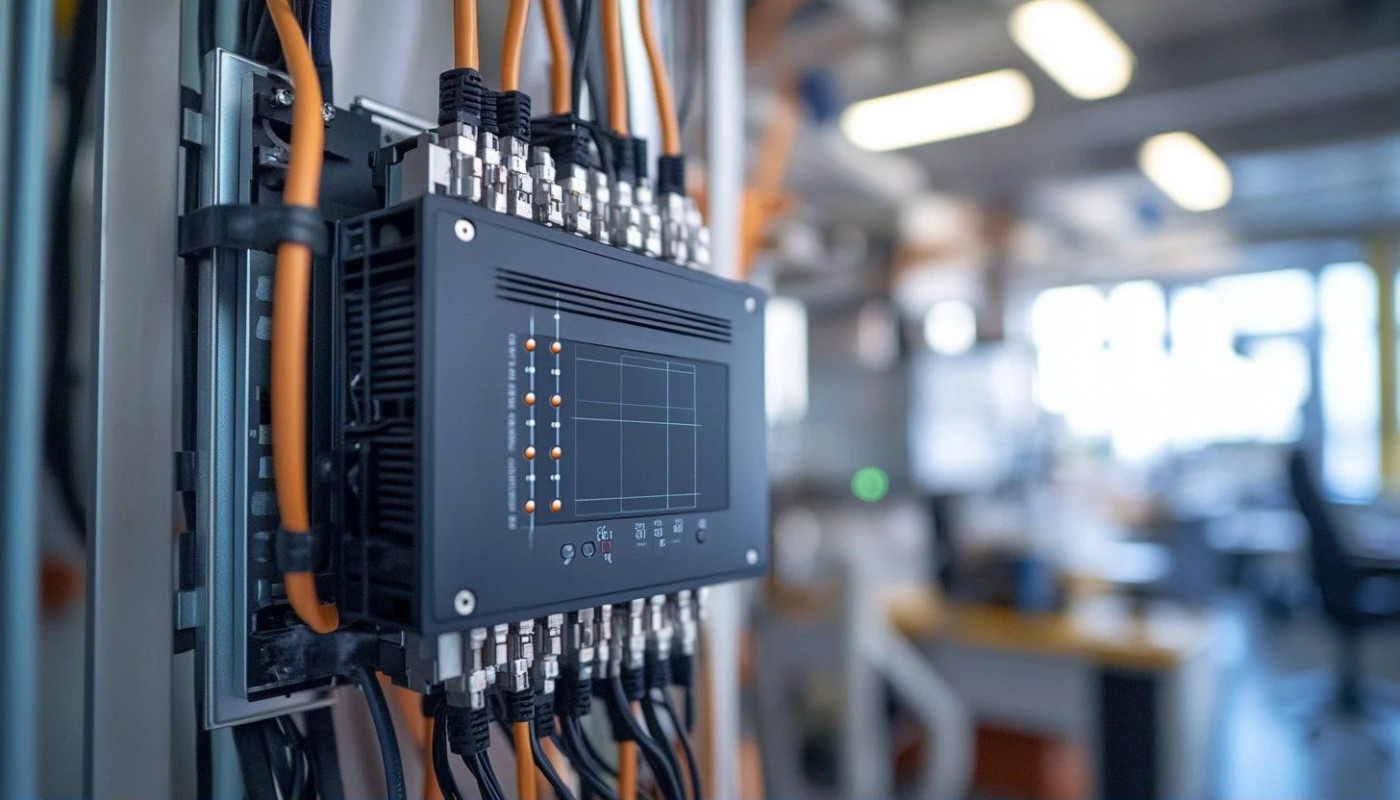
Modern signal boosters leverage intelligent signal processing and adaptive gain to deliver advanced network optimization. At their core, these devices utilize smart filtering techniques to identify, isolate, and enhance desirable cellular signals while suppressing noise and interference. Intelligent signal processing allows the booster to continually analyze environmental conditions, such as building materials and signal sources, ensuring that only the strongest and most reliable signals are amplified. Adaptive gain dynamically adjusts the amplification level in real time, accommodating fluctuations in signal strength and preventing overload or feedback that could disrupt cellular coverage. Through these innovations in wireless technology, next-generation boosters provide seamless and robust connectivity, even in challenging or variable environments.
Benefits for businesses and homes
Next-gen signal boosters provide substantial signal booster benefits for both businesses and households by directly addressing common connectivity challenges. Enhanced network throughput delivers improved call quality and faster data speed, minimizing dropped calls and lag during video conferences. For commercial enterprises, these advancements lead to greater productivity and reliability in essential communications, supporting the rising demand for remote work and virtual collaboration. Households also experience seamless connectivity, which is fundamental for uninterrupted entertainment streaming, online learning, and managing smart home devices.
As smart homes and IoT ecosystems become increasingly prevalent, reliable connectivity is paramount. Next-generation boosters ensure that every device, from security cameras to smart thermostats, operates without interruptions or latency. This stability allows users to take full advantage of automation and remote monitoring features, contributing to overall convenience and safety. The ability to maintain strong, consistent connections throughout a property supports a wide range of applications, making these solutions a strategic investment for future-ready businesses and modern homes alike.
Solving rural and urban challenges
Rural connectivity often faces hurdles like vast distances, rugged terrain, and limited cell tower infrastructure, creating persistent signal dead zones and unreliable service. In contrast, urban signal challenges center on network congestion, signal interference from dense building materials, and an ever-increasing number of connected devices competing for bandwidth. Next-generation signal boosters employ advanced coverage mapping and adaptive amplification technologies to address both sets of issues. These solutions dynamically analyze real-time network conditions, targeting weak zones in rural areas while intelligently managing interference and traffic in crowded urban centers. By bridging the digital divide, these boosters extend universal access, breaking down traditional connectivity barriers and transforming how people engage with digital resources across all environments.
The future of connected living
As signal boosting technology evolves, it stands at the forefront of shaping future connectivity trends, seamlessly merging with innovations such as 5G, telehealth technology, and connected vehicles. These next-generation boosters are being engineered to handle the demands of high-bandwidth, low-latency services, ensuring that individuals and organizations can rely on robust digital infrastructure anywhere, whether in dense urban environments or remote rural locations. This progression is tightly linked with the rise of edge computing, which decentralizes data processing, enabling real-time decision-making for applications like autonomous driving and smart healthcare devices.
5G signal boosters, in sum, are not only increasing data speeds but also enhancing the quality and consistency of connections for a wide array of devices, from smartphones to advanced IoT sensors embedded within smart homes and workplaces. This enhanced connectivity fosters a digital lifestyle where video conferencing, immersive virtual reality experiences, and remote monitoring become effortless parts of daily routines. For professionals, this translates to higher productivity and the freedom to collaborate from any location, while individuals benefit from richer entertainment options and improved access to information and services.
The integration of advanced signal boosting into telehealth technology is another transformative force, enabling reliable, high-definition video consultations and remote diagnostics even in areas previously plagued by weak signals. With healthcare providers leveraging stable, fast connections, patients can receive timely care without geographic constraints, potentially reducing healthcare disparities and improving outcomes. Simultaneously, connected vehicles equipped with improved boosters can maintain constant links to infrastructure and other vehicles, supporting safer navigation, real-time traffic updates, and even autonomous system coordination.
As these technologies mature, society will see connectivity woven deeper into the fabric of everyday life, with personal and professional boundaries further blurred by instant access to digital tools and platforms. This evolution means that homes, offices, transportation, and healthcare will become more intelligent, responsive, and interconnected. Enhanced signal boosters, underpinned by edge computing, are the backbone supporting this shift, ensuring that fast, reliable, and secure connections empower new services, business models, and experiences in the future of connected living.
Similar articles