Table of contents
The integration of AI tutors into modern education is rapidly transforming the way students learn and achieve their goals. With promises of reducing study time while simultaneously enhancing academic outcomes, the question arises: can these intelligent systems truly deliver on such ambitious claims? Delve into the following sections to uncover how AI-powered tutoring is reshaping personalized learning and what it could mean for the future of education.
Understanding AI tutor capabilities
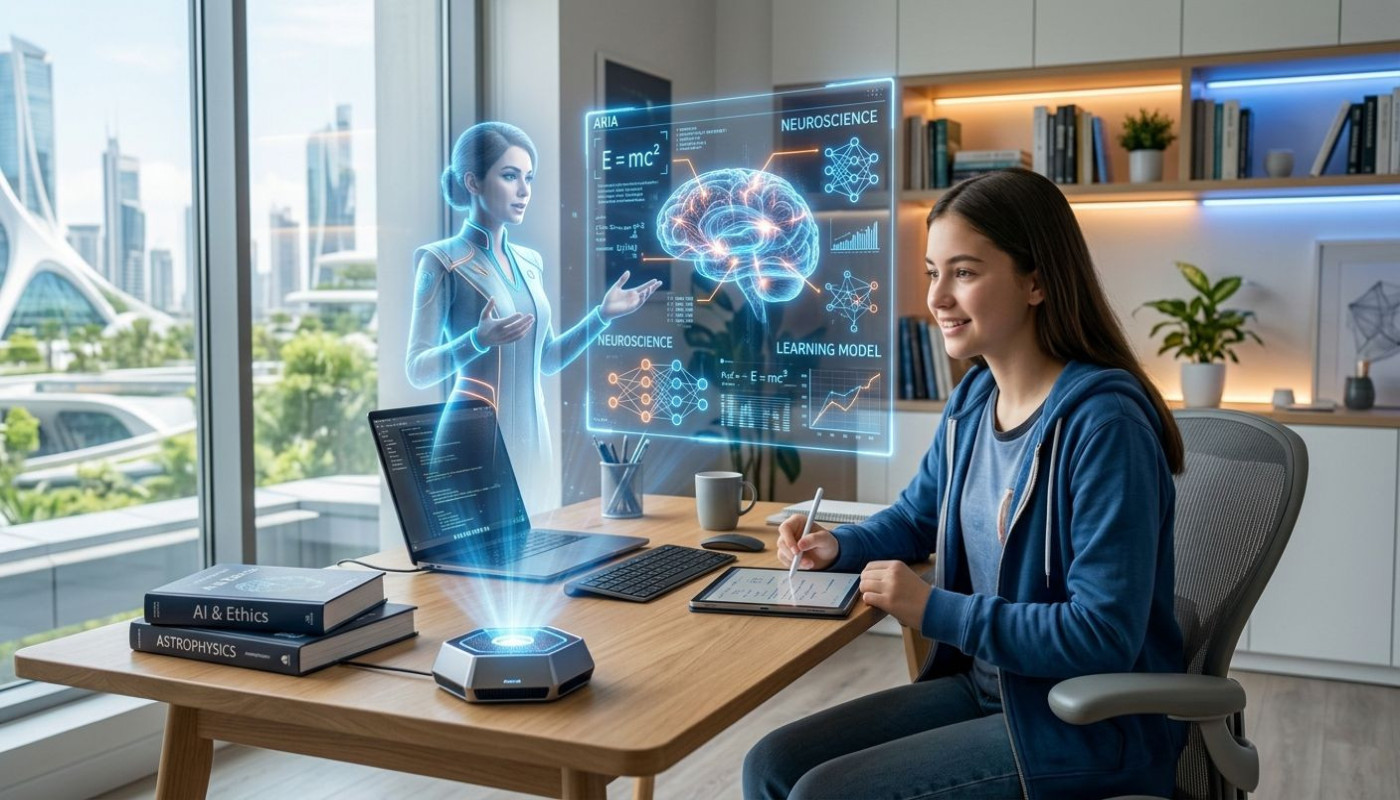
AI tutor systems represent a major advancement in educational technology, offering personalized learning experiences through the integration of adaptive algorithms and sophisticated machine learning techniques. These platforms analyze vast amounts of student data to recognize learning patterns, strengths, and areas needing improvement. Through adaptive learning algorithms, AI tutors dynamically adjust the difficulty level, pacing, and content selection, ensuring each learner follows a unique, optimized educational journey. The inclusion of real-time feedback not only increases engagement but also addresses misconceptions immediately, fostering greater retention and comprehension. As a result, data-driven education powered by AI tutors can mimic and, in some cases, surpass traditional instruction by continuously refining its approach based on student interactions and outcomes, making the learning process more efficient and targeted than ever before.
Reducing study time efficiently
AI tutors have demonstrated the capacity to reduce study time by leveraging advanced learning optimization strategies that adapt to an individual's unique cognitive profile. Through continuous AI assessment, these systems rapidly identify which concepts require further attention, eliminating unnecessary repetition and focusing on areas where knowledge retention is weakest. By offering targeted practice tailored to the learner's needs, AI tutors streamline the acquisition of new material, ensuring that each session is devoted to efficient learning rather than generic review. The integration of real-time feedback means that misconceptions are corrected immediately, accelerating comprehension and reinforcing mastery. This precision-driven approach not only boosts confidence but also maximizes the impact of every study session, enabling learners to achieve their goals in significantly less time while developing a deeper, more durable understanding of the subject matter.
Improving learning outcomes
Integrating AI tutors into educational environments has shown a measurable positive impact on learning outcomes and overall academic performance. Recent studies indicate that students utilizing AI-driven personalized instruction platforms often report higher test scores and a deeper conceptual grasp of subjects compared to those relying solely on traditional teaching methods. AI tutors are designed to adapt lessons in real time, tailoring content based on formative assessment data, which allows for immediate feedback and targeted interventions. This adaptability not only enhances student achievement but also fosters learner autonomy, enabling individuals to progress at their own pace while addressing specific knowledge gaps.
Education researchers have documented that ongoing use of AI tutor results in students developing stronger problem-solving skills and increased motivation, as personalized learning plans optimize engagement and retention. Numerous implementations in schools and universities have demonstrated that AI-powered tools can significantly decrease study time without compromising the quality of understanding. An illustrative example of this progress is eduboost, a platform that leverages artificial intelligence to deliver customized learning experiences and track improvements in student achievement. By consistently integrating formative assessment, platforms like eduboost help educators and learners alike monitor progress and refine instructional strategies for improved outcomes.
Addressing challenges and limitations
AI tutor challenges are multifaceted and require a nuanced approach to ensure equitable benefits across diverse learning populations. One major barrier is the digital divide, which restricts education access for students lacking reliable internet connectivity or suitable devices, particularly in rural or economically disadvantaged regions. Technology limitations extend beyond hardware, as current AI systems may not fully adapt to the nuanced needs of every learner, sometimes resulting in generic or less effective guidance. Algorithmic bias also poses a significant concern, as AI models trained on limited or skewed datasets can unintentionally perpetuate inequalities or reinforce pre-existing gaps in educational attainment. Human oversight remains a vital safeguard, as educators play an indispensable role in reviewing AI-generated feedback, providing emotional support, and making ethical decisions that algorithms cannot. To address these obstacles, ongoing investment in infrastructure, broadening training data to better reflect diverse learners, and integrating teacher-led supervision in AI tutor deployment are recommended strategies. Collaboration between technology developers, educators, and policymakers will be essential to refine these solutions and advance toward more inclusive, effective AI-driven education.
Future prospects of AI in education
The future of AI tutors is closely intertwined with emerging education trends, promising to revolutionize how individuals access knowledge and develop skills throughout their lives. Intelligent tutoring systems are rapidly evolving to support lifelong learning, enabling students, professionals, and hobbyists to benefit from personalized instruction far beyond formal education years. This flexibility allows learners to continuously adapt to shifting job markets and technological advancements, positioning AI in schools as a foundational element in global educational infrastructure.
Global classrooms are becoming increasingly feasible thanks to the scalability and adaptability of AI tutors. These systems eliminate geographical barriers, bringing high-quality academic support to remote and underserved communities. By facilitating real-time translation and adaptive learning pathways, AI can foster more inclusive global classrooms where diverse learners receive tailored guidance. Integration with traditional teaching methods further ensures that AI enhances rather than replaces the vital human element, allowing educators to focus on mentorship and higher-order thinking skills while AI handles personalized feedback and progress tracking.
Looking ahead, the long-term introduction of intelligent tutoring systems holds the promise of redefining academic support standards. The future of AI tutors will likely see greater interoperability with educational platforms, data-driven insights into student performance, and continuous optimization of learning resources. These developments signal a new era in which AI in schools not only streamlines study time but also elevates student outcomes, making high-quality education accessible and impactful for all learners across the globe.
Similar articles